
MBBS Abroad Admission Process: Step-by-Step Guide for Indian Medical Students
Confused about the MBBS abroad admission process and where to even start? Between NEET cutoffs, NMC rules, and dozens of country options, the path can feel overwhelming fast. This guide breaks the entire process into clear, ordered steps so you know exactly what comes next.
What Is the MBBS Abroad Admission Process?
The MBBS abroad admission process for Indian students involves seven core steps: qualifying NEET, selecting an NMC-compliant country and university, submitting documents, receiving an admission letter, applying for a student visa, traveling, and completing university registration. Each step depends on the one before it, so skipping ahead usually causes delays later.
Indian students choosing between Russia, Georgia, Kazakhstan, or other destinations still follow this same broad sequence, even though country-specific requirements vary. Getting the order right from day one saves months of back-and-forth later.
WISERA COUNSELLING DESK
Not sure which university matches your NEET score?
Get a free comparison call on NMC-approved options within your budget.
Why the Process Feels Confusing at First
Most confusion comes from mixing up NMC rules for India with each country’s own university admission requirements.
Two separate systems apply: NMC rules and university rules
NEET qualification is mandatory regardless of destination country
Each country has its own intake and application deadlines
University-specific document formats can differ significantly
Visa processing timelines vary by embassy and country
Some countries require entrance interviews or medical tests
A consultancy can align both systems into one clear timeline
Once the two systems are separated in your head, the actual steps become much easier to follow.
Step 1: Confirm NEET Eligibility
NEET qualification is compulsory for every Indian student pursuing MBBS abroad if you want to come back to India and practice here, regardless of the destination country or university ranking.
Class 12 must include Physics, Chemistry, Biology, and English
Minimum age requirement is 17 by December 31 of the admission year
A valid NEET scorecard is required at the application stage
Score alone doesn’t guarantee a seat at every university
Some universities have their own additional entrance checks
Confirming eligibility first avoids wasted time researching universities you may not qualify for.
Step 2: Choose the Right Country and University
Country and university selection should weigh tuition costs, NMC compliance, WDOMS listing, medium of instruction, and clinical exposure, not just marketing claims.
Compare tuition and living costs across shortlisted countries
Confirm the university appears on the WDOMS list
Check if instruction is fully in English or bilingual
Review clinical rotation quality and teaching hospital access
Look for an established Indian student community on campus
Verify the university’s age and academic accreditation history
Cross-check everything against current NMC regulations directly
Explore Wisera’s full MBBS abroad options to compare countries side by side before shortlisting.
What Documents Are Required for MBBS Abroad?
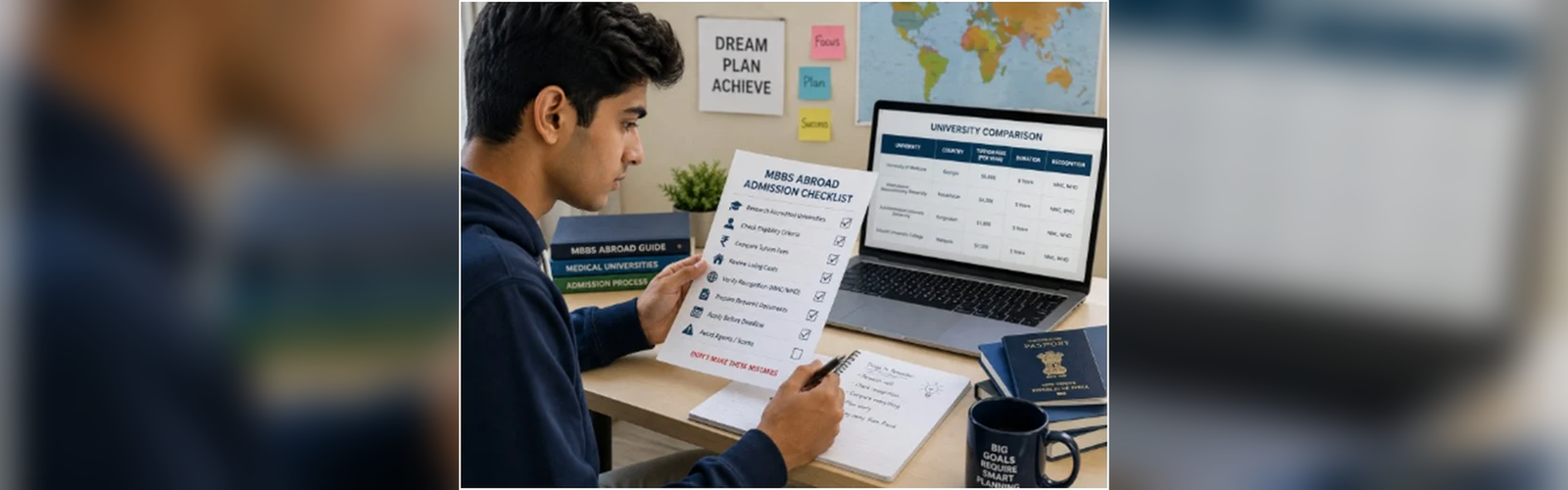
Documents required for MBBS abroad typically include your Class 10 and 12 mark sheets, NEET scorecard, passport, passport-size photographs, migration certificate, and a medical fitness certificate. Some universities also request a police clearance certificate and birth certificate copy.
Missing or incorrectly formatted documents are one of the most common reasons applications get delayed, so preparing this checklist early matters.
Building Your Document Checklist Early
Most universities need notarized or apostilled copies, which take longer to arrange than the originals themselves.
Class 10 and 12 mark sheets with PCB subjects clearly shown
Valid NEET scorecard from the current or previous attempt
Passport valid for at least eighteen months from travel date
Six to eight recent passport-size photographs on white background
Transfer or migration certificate from your previous school
Medical fitness certificate from a registered practitioner
Police clearance certificate, required by some destination countries
Starting document collection two to three months ahead of your target intake prevents last-minute scrambling.
How Long Does the MBBS Abroad Admission Process Take?
The complete MBBS abroad admission process usually takes eight to twelve weeks from application submission to departure, though this varies by country and visa processing speed. Countries with simpler visa systems, like Kyrgyzstan, Uzbekistan or Kazakhstan, often move faster than others.
Students who start document preparation early and respond quickly to university requests typically finish well within this window.
Typical Timeline Breakdown
Delays usually happen at the visa stage, not the university admission stage, so planning around embassy timelines matters most.
University application review: one to two weeks typically
Admission letter issuance: one to three weeks after documents
Visa application submission: right after admission letter arrival
Visa processing time: two to six weeks by country
Pre-departure briefing and travel booking: one to two weeks
Total process: roughly eight to twelve weeks on average
Peak intake seasons can extend timelines by two to three weeks
Building in a buffer of at least two extra weeks avoids the stress of a rushed departure.
Comparing Popular MBBS Abroad Destinations
Feature
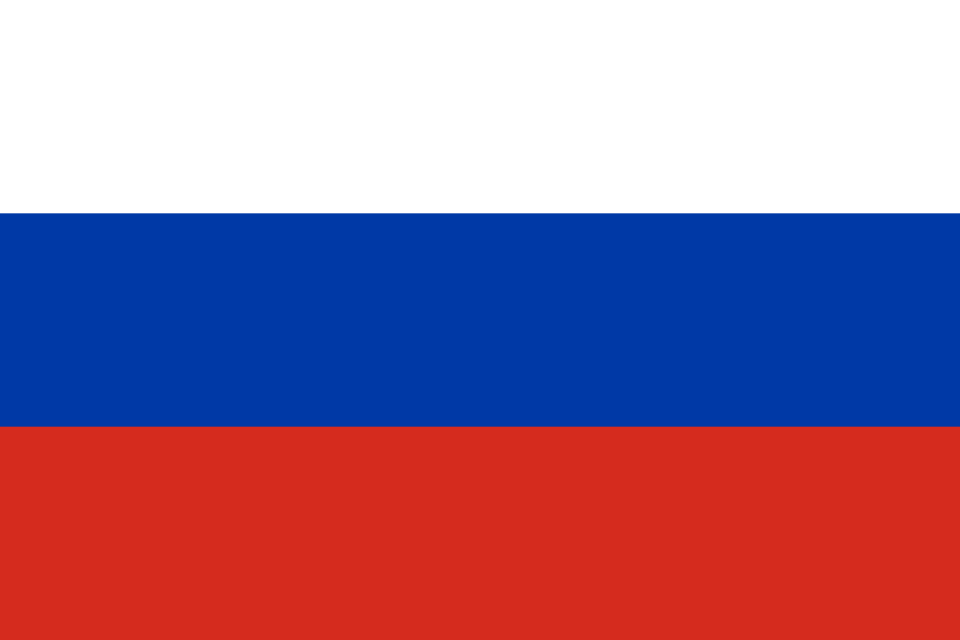
Russia
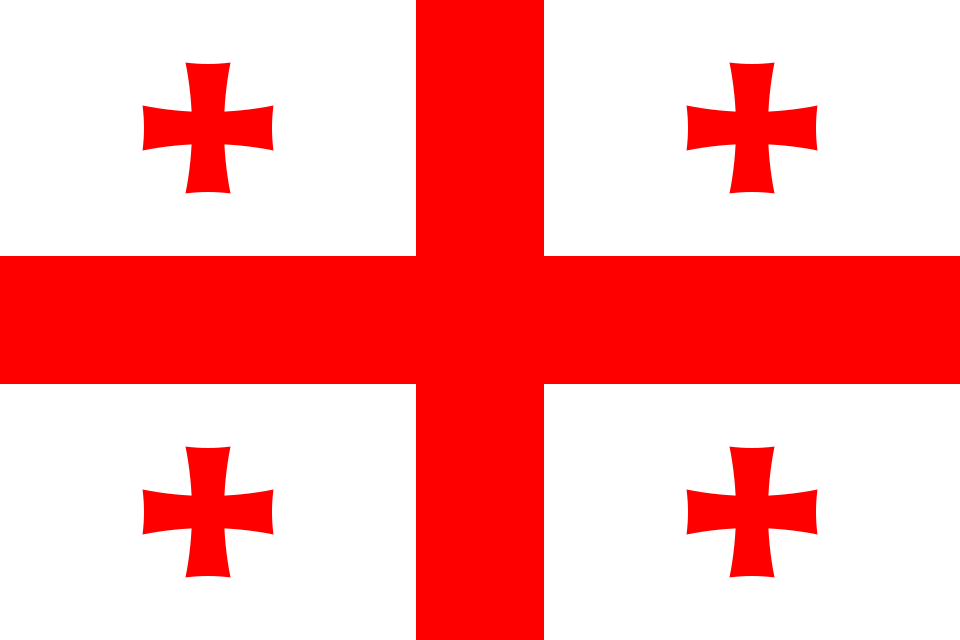
Georgia
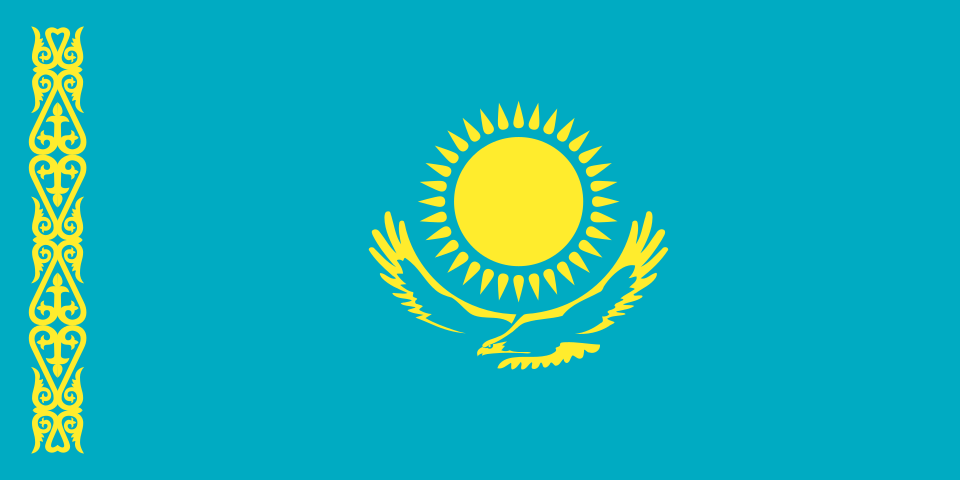
Kazakhstan
Course Duration
6 years
6 years
6 years
Medium of Instruction
English & bilingual
English
English
NEET Requirement
Mandatory
Mandatory
Mandatory
WDOMS Listing
Multiple universities listed
Best For
Wide university choice
Simplified admission process
Modern campus infrastructure
Explore the full breakdown for MBBS in Russia, MBBS in Georgia, or MBBS in Kazakhstan before finalizing your choice.
What Mistakes Should You Avoid During MBBS Abroad Admission?
The most common mistakes are skipping WDOMS verification, ignoring current NMC regulations, choosing a university based on price alone, and applying without checking internship structure. Any of these can affect your ability to practice in India after graduation.
The National Medical Commission’s official college search and its published FMGL advisories are worth reviewing directly, since regulations are updated periodically and directly affect registration eligibility.
Red Flags Worth Watching For
A few warning signs consistently show up in problematic MBBS abroad admissions.
Universities not appearing on the official WDOMS directory
Consultancies guaranteeing admission without revealing their accreditations
Unusually low fees compared to similar universities in the region
No clarity on internship structure or clinical training hours
Vague answers about medium of instruction or bilingual gaps
Pressure to pay full fees before receiving a formal admission letter
No verifiable past student reviews or placement records
Avoiding these red flags early protects both your finances and your future licensing eligibility.
What Happens After You Reach Your MBBS University Abroad?
After arrival, students complete university registration, hostel check-in, orientation, and academic enrollment before classes formally begin. Most universities also conduct a brief medical and document verification during this period.
A good consultancy stays involved even after departure, helping with post-arrival support like accommodation queries and settling-in guidance.
What Wisera Handles Through the Full Process
Full-service support across every stage reduces the chances of last-minute admission or visa issues.
Personalized university shortlisting based on budget and goals
Complete documentation review before submission
Education loan guidance for eligible students and families
Visa application assistance and embassy appointment support
Pre-departure briefing covering culture, climate, and essentials
Airport pickup coordination on arrival in the destination country
Ongoing post-arrival support during the first semester
Support till course completion
This is where Wisera’s MBBS abroad guidance becomes most useful, since students rarely need help with just one step in isolation.
Frequently Asked Questions
Q1: Is NEET compulsory for MBBS abroad admission?
Yes. NEET qualification is mandatory for all Indian students pursuing MBBS abroad under current NMC regulations, regardless of the destination country if you want to get a license to practice in India.
Q2: What documents are required for MBBS abroad?
Core documents include Class 10 and 12 mark sheets, NEET scorecard, valid passport, photographs, migration certificate, and a medical fitness certificate.
Q3: How long does the MBBS abroad admission process take?
The full process typically takes eight to twelve weeks, from application submission through visa approval and travel, depending on the destination country.
Q4: Is an MBBS degree from abroad valid in India?
Yes, subject to compliance with the NMC’s Foreign Medical Graduate Licentiate Regulations, including qualifying the National Exit Test (NExT) and completing a supervised internship.
Q5: Can I apply for MBBS abroad with a low NEET score?
Yes, many universities abroad accept lower NEET scores than Indian government colleges, though a minimum qualifying score under NMC rules still applies.
Q6: Does Wisera help with the complete MBBS abroad admission process?
Yes, Wisera assists with university selection, documentation, visa processing, travel, and post-arrival support for MBBS abroad admissions.
Your Next Step Toward Studying MBBS Abroad
Getting through the MBBS abroad admission process is far easier when the steps are followed in order, starting with NEET eligibility and ending with visa approval and travel. Missing documents and last-minute country changes cause most of the delays students face.
Schedule a free counseling session with Wisera to get a personalized MBBS abroad admission plan based on your NEET score, budget, and preferred country.
Comments are closed