Quality Medical Education. Global Exposure. A Brighter Future.
Explore established medical universities in the Philippines, including English-medium MD programs, US-style curriculum, clinical training and expert guidance from Wisera. Take the first step toward your medical career with clear, verified information.
The Philippines is a Southeast Asian country with a long-established medical education system taught in English and modelled on a US-style curriculum. Medicine is typically completed as a pre-medical degree followed by a Doctor of Medicine (MD) program and internship. Students should evaluate each university individually, including its admission requirements, total cost, program structure and eligibility under NMC regulations.
* Fees are indicative tuition estimates (total for BS + MD, or per year where stated), based on published figures and converted to INR at approximate rates. They may change by intake, nationality and university policy. Please confirm the latest fee schedule with Wisera before applying.
MBBS in Philippines Fee Structure
Tuition fees differ by institution, program and academic year. Compare the complete cost of education, including accommodation, insurance, food, travel and other charges, and always request a written fee schedule before deciding.
Get a personalised fee breakdown for your preferred university in the Philippines.
Admission Process
✓
01
University Selection
›
📄
02
Application Submission
›
📝
03
Entrance Exam (If Required)
›
🏛
04
Admission Confirmation
›
🛂
05
Student Visa & Travel
›
✈
06
Arrival & Registration
Student Life in Philippines
The Philippines offers a tropical climate, beaches, island travel, a lively food culture and a large community of international students. Students should compare hostel and private accommodation, local transport, food options and university support, and be prepared for the rainy and typhoon seasons.
A medical degree obtained in the Philippines does not automatically guarantee eligibility for medical registration in India. Graduates must meet the applicable NMC regulations and licensing requirements. Check the exact university and program before admission.
Indian students intending to practise in India after studying medicine abroad must meet the applicable NEET qualification requirements. Confirm the current rules with the NMC and your chosen university before applying.
Medicine in the Philippines is commonly structured as a pre-medical degree followed by a four-year Doctor of Medicine (MD) program and an internship. Some universities offer a combined pathway for international students. The total duration and structure depend on the university, so confirm them in writing and check them against NMC requirements.
Tuition fees vary by university, program and academic year. Compare the official fee schedule and include accommodation, insurance, food, travel and other living expenses when estimating the total cost.
English is the primary language of instruction in Philippine medical schools. Students should still confirm the language used in clinical and practical components, and be prepared to interact with local patients during clinical rotations.
Students should assess the specific city, accommodation, university support arrangements and current travel guidance before enrolling. Safety conditions can change, so consult current official information.
Potentially, yes. Eligibility depends on the destination country, the medical qualification, entrance examinations, licensing requirements and other applicable criteria.
No. A university's location or directory listing does not establish that every program meets Indian registration requirements. The exact program must be evaluated against the applicable NMC regulations.
Ready to Explore MBBS in Philippines?
Get expert guidance, university shortlisting, admission support and visa assistance – all in one place.
MBBS in Philippines 2026: Fees, Top Medical Universities, NMC Guidelines & Admission for Indian Students
Study MBBS in Philippines 2026–2027: A Guide for Indian Students
Studying medicine in the Philippines is an option some Indian students explore because of its English-medium medical education, clinical training opportunities, and exposure to an international learning environment. However, unlike countries where students can enter a medical degree directly after Class 12, the Philippines generally follows a pre-medical bachelor’s degree followed by a Doctor of Medicine (MD) programme.
For the 2026–2027 academic year, Indian students considering medical studies in the Philippines should carefully evaluate the total course duration, tuition fees, university admission requirements, internship arrangements, and compliance with the National Medical Commission (NMC) regulations applicable to Indian students who intend to practise medicine in India.
At Wisera Educational Consultancy, students can seek guidance on comparing overseas medical education options, understanding admission requirements, and evaluating whether a particular university and programme align with their academic background and future plans.
Important: The Philippine MD degree is not titled MBBS. Indian students must verify the complete educational pathway and current NMC requirements before paying admission fees or accepting an offer from a university.
About Philippines
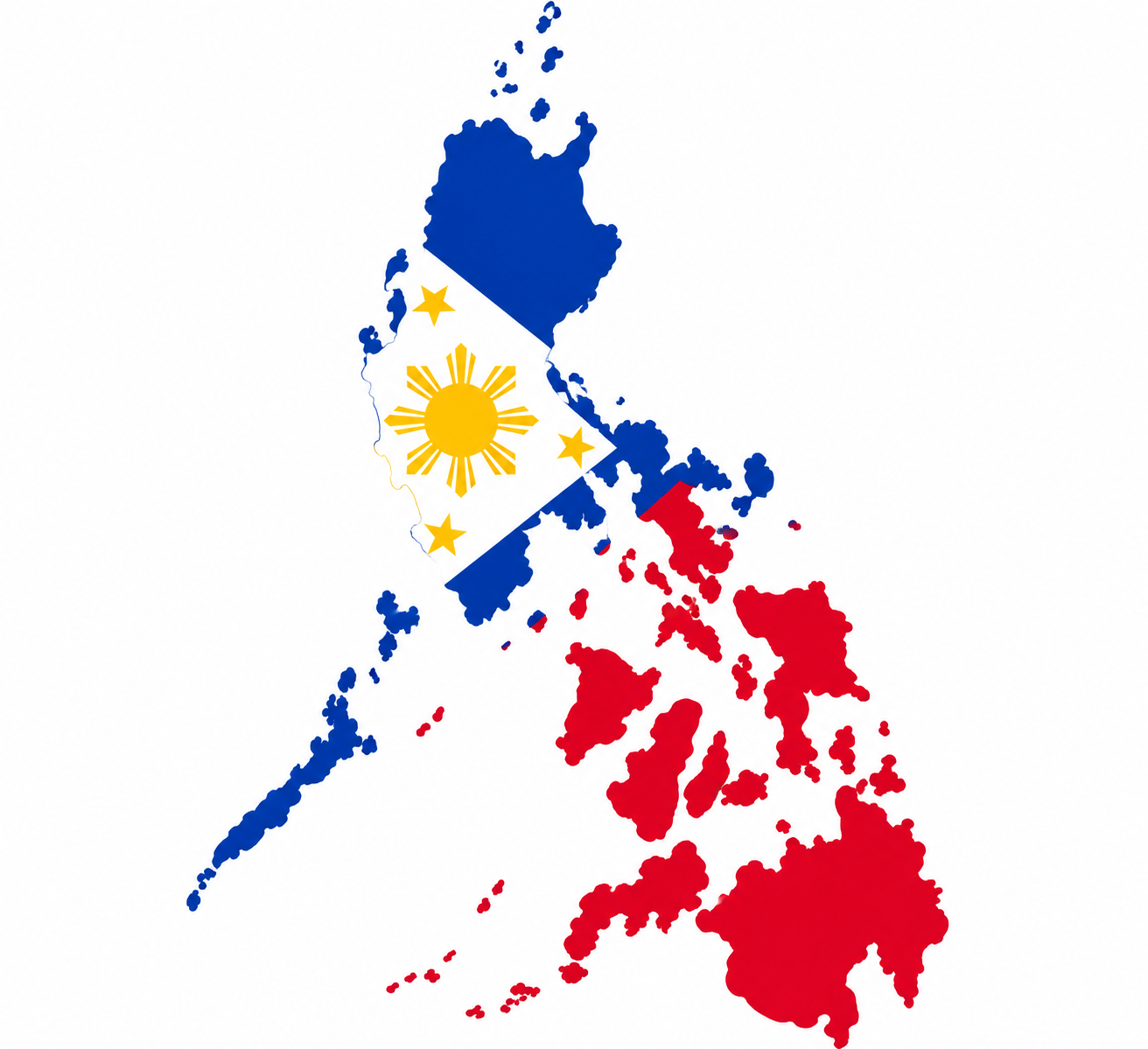
The Philippines is an archipelago in Southeast Asia made up of thousands of islands. Its three major island groups are Luzon, Visayas, and Mindanao. The country has a diverse cultural landscape, urban centres, coastal communities, and a tropical environment.
Philippine Embassy
For Indian students considering medical education in the Philippines, the location of the university matters. Institutions in different cities may offer different accommodation options, transport links, hospital affiliations, living costs, and student-support services. Students should assess the actual campus and clinical training locations rather than making a decision based only on the country.
Why Study MBBS in Philippines?
The Philippines is considered by some Indian students exploring medical education abroad because of its use of English in medical instruction, established medical schools, and clinical learning opportunities. The country follows a Doctor of Medicine (MD) pathway, which generally requires students to complete a bachelor’s degree before entering medical school.
Here are some factors to consider when exploring MBBS in Philippines for Indian students.
1. English-Medium Medical Education
English is the medium of instruction in the MD programmes covered by the Philippine Commission on Higher Education (CHED) advisory. This can help Indian students access lectures, textbooks, and medical terminology in English. Students should also check the language requirements for communicating with patients during clinical training.
2. Structured Medical Education
The Philippines offers a medical education pathway that combines pre-medical studies with a professional Doctor of Medicine programme. For Indian students, the important consideration is whether the specific university’s MD course meets the duration, curriculum, and internship conditions required by Indian regulations.
3. Clinical Training Opportunities
Medical programmes include clinical learning and hospital-based training. The actual clinical exposure depends on the university, affiliated hospitals, curriculum, and clerkship arrangements. Before enrolling, students should confirm where clinical training takes place and whether the required internship can be completed under the applicable NMC rules.
4. International Learning Environment
Studying in the Philippines can provide exposure to students and healthcare settings from different backgrounds. This may help students develop communication, teamwork, and cross-cultural skills that are valuable in medical education.
5. Tropical Climate and Cultural Adaptation
The Philippines has a tropical climate, and its use of English in education may make certain aspects of academic adaptation easier for Indian students. However, students should be prepared for high humidity, seasonal rainfall, and local variations in weather.
6. An Option to Compare With Other Study Destinations
Students researching MBBS abroad can compare the Philippines with other destinations based on the complete course duration, total cost, admission eligibility, teaching language, clinical training, and future licensing requirements. The most suitable destination depends on the student’s qualifications and career plans, rather than on a country’s popularity alone.
Important for Indian students: The Embassy of India in Manila published an advisory on 17 June 2026 explaining the conditions under which MD programmes at CHED-recognised institutions may meet specified NMC Foreign Medical Graduate Licentiate (FMGL) requirements. Students should independently verify the individual programme, including the 54-month MD course, prescribed subjects, English-medium instruction, 12-month internship, and Certificate of Registrability.
Why Is MBBS in Philippines Popular Among Indian Students?
The Philippines attracts attention from Indian students researching medical education abroad for several reasons, including English-medium instruction, a structured medical degree pathway, and the opportunity to study in a different healthcare environment. However, students should distinguish general advantages from the requirements that apply specifically to Indian graduates who intend to practise in India.
1. English as the Medium of Instruction
Students may prefer programmes taught in English because it is widely used in Indian medical education and in many international medical resources. English-medium instruction can support classroom learning, although students should also ask universities about the language used in patient interactions during clinical rotations.
2. Familiarity With English-Language Medical Resources
English-language lectures, textbooks, and academic resources can make it easier for students to engage with international medical literature. Students should evaluate the quality of the curriculum, faculty support, laboratory facilities, and clinical training rather than relying on language alone.
3. A Defined Pre-Medical and MD Pathway
The Philippines follows a pathway in which students generally complete a bachelor’s degree and meet the National Medical Admission Test (NMAT) requirements before admission to an MD programme. This differs from direct-entry medical degrees available in some other countries.
Indian students who have completed only Class 12 should understand that Class 12 alone is generally not sufficient for admission to the Philippine MD programme. The pre-medical degree is a separate stage and should be included when calculating the overall duration and cost of medical education.
4. Opportunities for Clinical Learning
Clinical clerkships and hospital-based learning form an important part of medical training. Students should compare universities based on their affiliated hospitals, clinical rotation structure, supervision, patient exposure, and internship arrangements.
For Indian students, it is particularly important to confirm that the entire programme and internship meet the applicable NMC requirements before admission.
5. A Different International Study Experience
Studying in the Philippines gives students an opportunity to experience another country’s education system, culture, and healthcare environment. Students should also consider accommodation, food, travel, personal safety, student support, and distance from family when deciding whether the destination is right for them.
6. Interest in Future International Career Pathways
Some students explore the Philippines while considering future medical careers in India or other countries. However, a Philippine MD does not automatically grant the right to practise elsewhere. Each destination has its own examination, registration, immigration, and licensing requirements.
Important for Indian students: NMC compliance is essential for students planning to return to India. Students who intend to practise in the Philippines should also investigate local licensure rules. The Embassy’s June 2026 advisory notes that foreign graduates’ eligibility to take the Philippine Physician Licensure Examination is subject to reciprocity requirements and relevant guidance from Indian authorities.
Key Facts About the Philippines
Particular
Details
Country
Philippines
Region
Southeast Asia
Capital
Manila
Major island groups
Luzon, Visayas, Mindanao
Climate
Tropical maritime
Official languages
Filipino and English
Medical degree
Doctor of Medicine (MD)
Medical programme admission
Generally requires a bachelor’s degree and NMAT
Regulatory authority for higher education
Commission on Higher Education (CHED)
For university selection, confirm current course recognition, international student eligibility, and admission requirements directly with the institution and the relevant authorities.
The Philippines’ use of English in higher education can be a practical consideration for Indian applicants. Nevertheless, students should evaluate each university’s academic standards, clinical facilities, student services, and complete programme requirements before applying.
Climate in the Philippines
The Philippines has a tropical maritime climate, characterised by warm temperatures, high humidity, and rainfall throughout the year, although the timing and intensity of rain vary by region. According to the Philippine Atmospheric, Geophysical and Astronomical Services Administration (PAGASA), the country’s average annual temperature is approximately 26.6°C, based on its weather-station averages excluding Baguio.
Main Seasons in the Philippines
Cooler dry season — December to February: Temperatures are generally more comfortable than during the hottest months, although conditions vary by location.
Hot dry season — March to May: Temperatures and humidity can be high, so students should be prepared for hot weather.
Rainy season — June to November: Many areas experience heavier rainfall during this period. Tropical cyclones can also affect travel and everyday activities.
Weather patterns differ across the country, so these periods are general guides rather than a forecast for every university city.
What Should Indian Students Know About the Climate?
Students moving from India should consider the following when planning their stay:
Clothing: Carry lightweight, breathable clothing suitable for warm and humid conditions.
Rain protection: Keep an umbrella or raincoat for rainy days.
Accommodation: Check ventilation, air-conditioning, water supply, and the building’s protection against heavy rain.
Travel planning: Allow flexibility during periods of heavy rain or tropical cyclone warnings.
Health and comfort: Stay hydrated and follow local weather and public-safety advisories.
Before choosing a medical university, students should check the local climate and seasonal conditions in the city where they will live and study. This is particularly useful when planning accommodation, travel, and the arrival date for the 2026–2027 academic year.
MBBS in the Philippines at a Glance
Particulars
Details
Medical degree
Doctor of Medicine (MD), not an MBBS degree
Typical pathway after Class 12
Pre-medical bachelor’s degree followed by MD
MD duration
Certain programs use a 54-month MD structure for Indian students; verify the exact program
Total study duration
Often approximately 6.5–7 years or longer, depending on the pre-medical pathway
Medium of instruction
English for qualifying programs; verify the full curriculum
NEET requirement
Indian students must satisfy applicable NEET requirements
Admission requirements
May include a bachelor’s degree and NMAT for entry to the MD program
Internship
The Indian Embassy’s 2026 advisory identifies a 12-month internship at the same institution or its attached hospital as a relevant condition
Tuition fees
Vary by university and program
Regulatory verification
Check CHED recognition, the NMC rules applicable to the student, and current university-specific conditions
The Philippines follows a different medical education structure from India. Its primary medical qualification is the Doctor of Medicine (MD), and the route after Class 12 commonly includes a pre-medical bachelor’s degree before medical school. The Embassy of India in Manila specifically advises Indian applicants to confirm the requirements for the bachelor’s degree and National Medical Admission Test (NMAT).
The Embassy’s advisory dated 17 June 2026 also reports that the Philippine Commission on Higher Education (CHED) informed it that qualifying MD programs at CHED-recognised higher education institutions can meet specified FMGL requirements when the prescribed duration, subjects, English-medium instruction, internship, and registrability conditions are satisfied. This is not a blanket guarantee that every medical course in the Philippines qualifies.
MBBS in the Philippines Fees for Indian Students
The total cost of studying medicine in the Philippines depends on the university, the pre-medical degree, the MD program, and the student’s living arrangements.
When calculating the MBBS in Philippines fees, include:
Pre-medical bachelor’s degree tuition
MD tuition fees
University application and registration charges
Admission tests and examination expenses
Hostel or private accommodation
Food and groceries
Medical insurance
Visa and residence-related expenses
Books, laboratory charges, and study materials
Local transportation
International airfare
Personal and emergency expenses
How to Calculate the Total Cost
For Indian students starting after Class 12, calculate the cost of the entire educational pathway, not just the MD course.
The Philippines commonly requires a pre-medical bachelor’s degree before admission to the MD program. The Embassy of India states that a student entering from the Indian 10+2 system needs to complete the bachelor’s degree to become eligible for MD enrolment.
Before making a financial commitment, request a written fee schedule covering the pre-medical course, MD course, internship, and all additional charges. Confirm the payment recipient and obtain an official receipt for every payment.
Top Medical Universities in the Philippines for Indian Students
Students researching the best medical universities in the Philippines should compare institutions based on current CHED recognition, MD program structure, language of instruction, admission requirements, clinical training, and eligibility under applicable NMC regulations.
The following institutions are examples to research, not a blanket list of programs confirmed suitable for every Indian applicant.
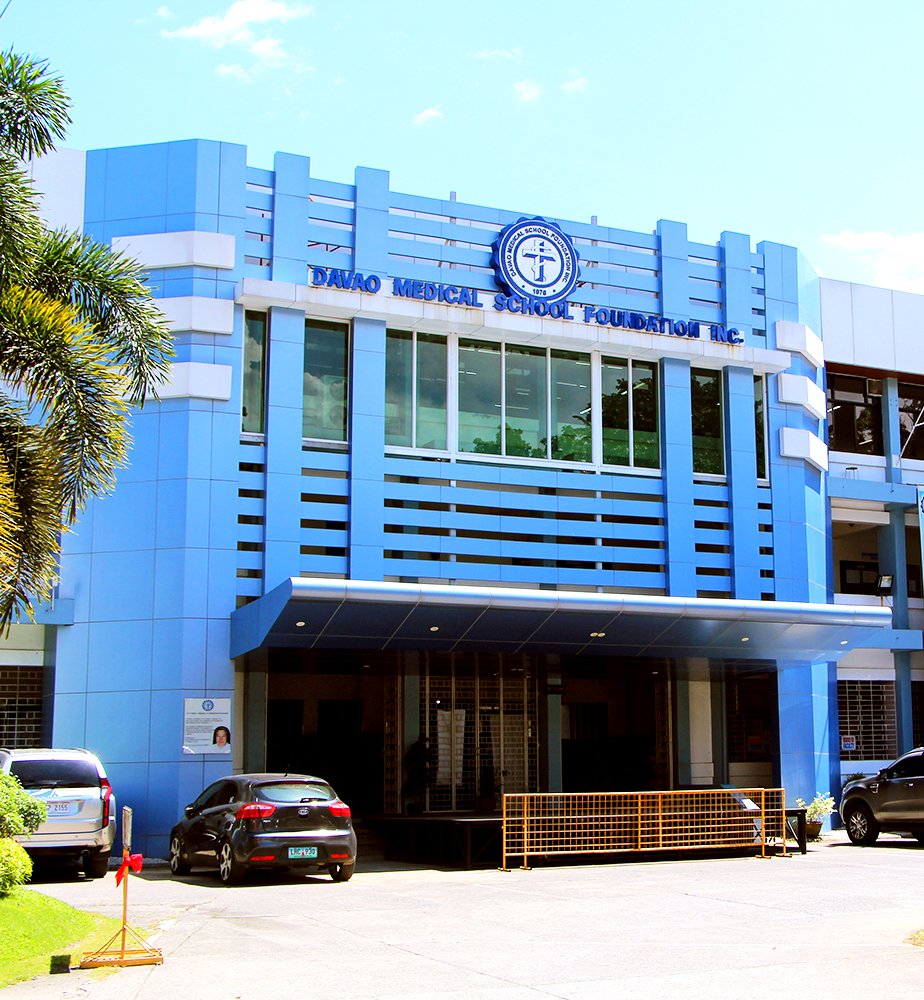
Davao Medical School Foundation (DMSF)
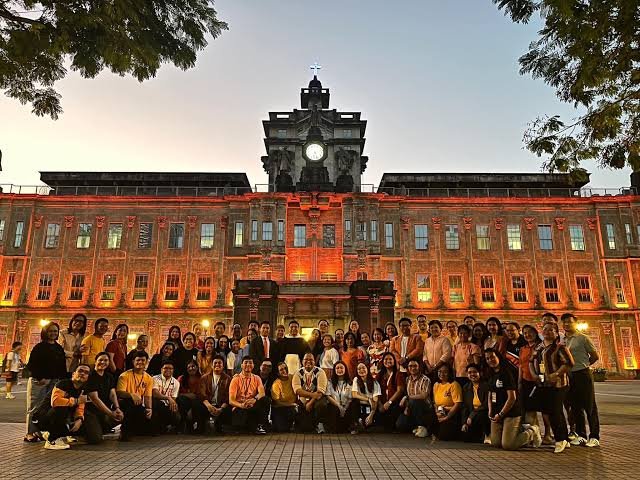
University of Santo Tomas (UST)
Far Eastern University – Dr. Nicanor Reyes Medical Foundation (FEU-NRMF)
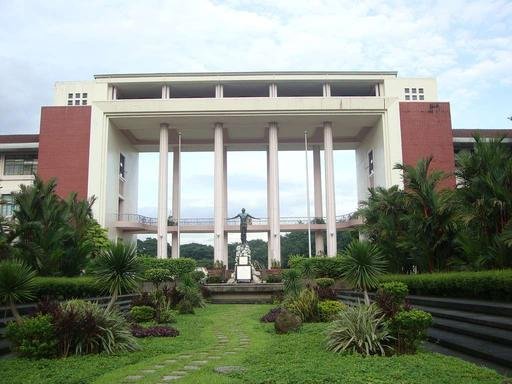
University of the Philippines Manila
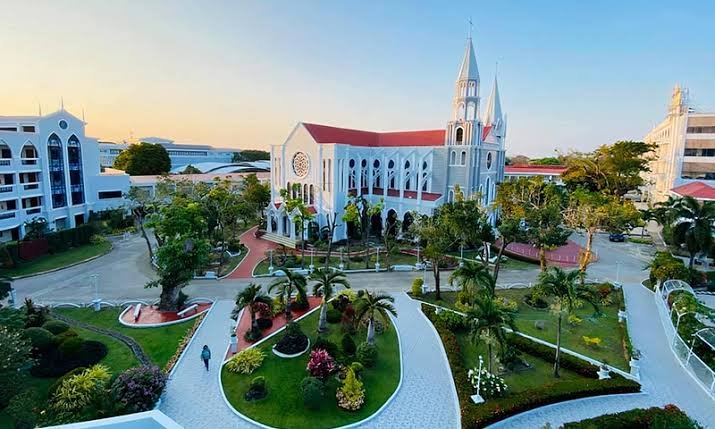
St. Paul University Philippines School of Medicine
Medical Universities in the Philippines as per WDOMS
Adventist University of the Philippines College of Medicine, Silang
AMA School of Medicine, Makati
Angeles University Foundation School of Medicine, Angeles
Ateneo de Zamboanga University College of Medicine, Zamboanga
Ateneo School of Medicine and Public Health, Pasig City
Bicol Christian College of Medicine, Legazpi
Bicol University College of Medicine, Legazpi
Brokenshire College School of Medicine, Davao City
Cagayan State University College of Medicine and Surgery, Tuguegarao
Cebu Doctors’ University College of Medicine, Mandaue
Cebu Institute of Medicine, Cebu
Central Philippine University College of Medicine, Iloilo City
Centro Escolar University College of Medicine, Manila
Chinese General Hospital Colleges, Manila
Davao Medical School Foundation College of Medicine, Davao
De La Salle Medical and Health Sciences Institute College of Medicine, Dasmarinas
Dr. Francisco Q. Duque Medical Foundation College of Medicine, Dagupan
Dr. Jose P. Rizal College of Medicine, Cagayan de Oro City
Emilio Aguinaldo College School of Medicine, Manila
Far Eastern University Institute of Medicine, Nicanor Reyes Medical Foundation, Quezon City
Gullas College of Medicine, Inc., University of the Visayas, Mandaue
Iloilo Doctors’ College of Medicine, Iloilo City
Jose Maria College of Medicine Foundation, Davao City
La Consolacion University Philippines College of Medicine, Malolos
Liceo de Cagayan University College of Medicine, Cagayan de Oro City
Manila Central University-Filemon D. Tanchoco Foundation College of Medicine, Caloocan
Manila Theological College of Medicine, Manila
Mariano Marcos State University College of Medicine, Batac
Matias H. Aznar Memorial College of Medicine, Cebu
Metropolitan Medical Center College of Medicine, Manila
Mindanao State University College of Medicine, Iligan
New Era University College of Medicine, Quezon City
Our Lady of Fatima University College of Medicine, Valenzuela
PLT College Inc College of Medicine, Solano
Remedios T. Romualdez Medical Foundation College of Medicine, Tacloban
San Beda University College of Medicine, Manila
School of Health Sciences, University of the Philippines Manila, Palo
Silliman University Medical School, Dumaguete
Southwestern University School of Medicine, Cebu City
St. Louis University School of Medicine, Baguio
St. Luke’s Medical Center College of Medicine – William H. Quasha Memorial (SLMCCM-WHQM), Quezon City
St. Paul University Philippines School of Medicine, Tuguegarao City
The Manila Times College of Subic (TMTCS) College of Medicine, Olongapo City
University of Cebu College of Medicine, Mandaue City
University of Northern Philippines College of Medicine, Ilocos Sur
University of Perpetual Help System Dalta Jonelta Foundation School of Medicine, Las Piñas
University of Perpetual Help System Dr. Jose G. Tamayo Medical University, Binan
University of Saint La Salle College of Medicine, Bacolod
University of Santo Tomas Faculty of Medicine and Surgery, Manila
University of the City of Manila College of Medicine, Manila
University of the East/Ramon Magsaysay Memorial Medical Center College of Medicine, Quezon
University of the Philippines Manila College of Medicine, Manila
Virgen Milagrosa University Foundation College of Medicine, San Carlos
West Visayas State University College of Medicine, Iloilo City
Eligibility Criteria for MBBS in the Philippines
Indian students planning to study medicine in the Philippines must satisfy both the applicable Indian requirements and the university’s admission rules.
Age Requirement
Students should meet the applicable age and eligibility requirements for NEET and the university’s admission process. Confirm the relevant deadline and age rules for the intended admission year.
Academic Qualification
Students should have completed Class 12 or an equivalent qualification with the required science subjects, including:
Physics
Chemistry
Biology
English
The university may require additional academic documents or prerequisite coursework.
Minimum Marks
Students must meet the applicable minimum qualifying marks for Indian medical eligibility and the university’s admission criteria. Do not assume that meeting the minimum marks alone guarantees admission.
NEET Qualification
Indian students intending to study medicine abroad must satisfy the applicable NEET qualification requirements.
Pre-Medical Bachelor’s Degree
This is one of the most important considerations when planning to study MBBS in the Philippines.
The Embassy of India in Manila states that applicants entering the MD course need a bachelor’s degree and must successfully clear the National Medical Admission Test (NMAT). An Indian student entering from Class 12 therefore needs to complete an eligible bachelor’s degree before enrolling in the MD program under the pathway described in the Embassy’s guidance.
NMAT and University Admission Requirements
The NMAT is a Philippine medical admission examination. Applicants should verify the current NMAT requirements, accepted test dates, validity rules, and any additional university-specific entrance examinations.
Before admission: Obtain written confirmation of the complete pathway from the university, including the pre-medical degree, MD course, internship, and requirements applicable to Indian students.
Admission Process for MBBS in the Philippines
The admission process generally involves the following steps.
Step 1: Choose the Right University and Pathway
Shortlist universities based on current CHED recognition, total course duration, tuition fees, pre-medical requirements, MD structure, clinical training, and the intended country of medical practice.
Step 2: Complete the Required Pre-Medical Qualification
If the university requires a bachelor’s degree before MD admission, complete an eligible pre-medical degree. Confirm that the degree is recognised by CHED and satisfies the university’s MD admission requirements.
Step 3: Complete the Required Admission Tests
Take the NMAT and any other examinations required by the university. Confirm the current rules and deadlines directly with the relevant admissions office.
Step 4: Submit the Application
Provide academic transcripts, certificates, passport details, test results, and any additional documents required by the university.
Step 5: Receive and Verify the Admission Offer
Review the admission letter, course structure, tuition schedule, refund policy, internship arrangements, and the precise qualification awarded.
Step 6: Complete Visa and Travel Formalities
Follow the current Philippine student visa and immigration procedures. Confirm the required documents before paying non-refundable travel expenses.
Step 7: Register and Begin Studies
Complete university registration, accommodation arrangements, insurance requirements, and other enrolment formalities.
Payment safety: The Embassy of India advises students to remit fees directly to the concerned medical college after admission confirmation and obtain an official receipt.
Advantages of Studying MBBS in the Philippines
English-Medium Medical Education
The Embassy’s June 2026 advisory identifies English as a required medium of instruction for MD programs meeting the specified FMGL conditions. Students should verify that the exact program and all relevant components satisfy this requirement.
Structured Medical Training
Medical education includes academic instruction and clinical training. Students should evaluate the curriculum and hospital placements available through their chosen institution.
Established Medical Schools
The Philippines has established medical schools with MD programs, including institutions whose programs are documented in official university information and WDOMS.
International Student Experience
Studying in the Philippines offers exposure to a different healthcare system, educational environment, and cultural setting.
Practical Clinical Learning
Clinical clerkships and supervised hospital training are important parts of medical education. Confirm the location, duration, supervision, and eligibility requirements for each clinical placement.
University-Specific Student Support
Accommodation, student services, and international applicant support vary by institution. Ask the university for current details rather than assuming all medical schools provide the same facilities.
Potential International Career Pathways
Graduates may pursue further education or licensing examinations abroad, subject to each destination’s qualification, examination, language, and registration requirements.
Student Life in the Philippines
Accommodation
Students can compare university hostels, private accommodation, and shared housing based on location, safety, travel time, and cost.
Food
The Philippines offers a variety of local and international food options. Indian food availability depends on the city and neighbourhood, so students should check local options before finalising accommodation.
Transportation
Transportation options vary by city. Students should budget for commuting between their residence, university, and clinical training locations.
Cultural Experience
Students can experience Filipino culture, historical sites, local festivals, and the country’s diverse landscapes.
Safety and Student Support
Students should research the university’s student support services, accommodation arrangements, emergency procedures, health insurance, and current local advisories before travelling.
NMC Guidelines for MBBS in the Philippines
Indian students should review the latest National Medical Commission regulations before enrolling in a Philippine medical program.
The most important source for this destination is the Embassy of India’s advisory on medical education in the Philippines, dated 17 June 2026. It reports that CHED informed the Embassy that MD programs at qualifying CHED-recognised higher education institutions can satisfy specified requirements under the Foreign Medical Graduate Licentiate (FMGL) Regulations when the following conditions are met:
MD duration: A 54-month Doctor of Medicine program, excluding the pre-medical bachelor’s degree.
Mandatory subjects: The subjects specified in Schedule I of the relevant NMC notification must be included.
Language: The medical program must be taught entirely in English.
Internship: A 12-month internship at the same medical institution or its attached hospital is identified in the advisory.
Registrability: The relevant certificate of registrability for practice in the Philippines must be addressed.
The Embassy also notes that Philippine medical graduates must meet the country’s Physician Licensure Examination (PLE) requirements to obtain a licence to practise medicine. For foreign graduates, eligibility to take the PLE is subject to Philippine law and reciprocity requirements; the Embassy’s advisory states that guidance from the competent Indian authorities on reciprocity was awaited at the time of publication.
What Indian Students Must Verify Before Admission
The university is currently recognised by CHED for the relevant medical program.
The MD course is the required duration and includes all mandatory subjects.
The course is delivered entirely in English as required by the applicable rules.
The internship arrangement satisfies the conditions applicable to the student’s admission cohort.
The degree and relevant registration or registrability requirements meet the applicable NMC framework.
The full educational pathway, including any pre-medical bachelor’s degree, has been reviewed before payment.
Important distinction: The Embassy’s advisory is a significant update, but it does not mean every medical program in the Philippines is automatically compliant. Students must independently verify the precise program and current requirements.
The Embassy’s general guidance also states that Indian students entering the MD course after 10+2 need a bachelor’s degree and NMAT qualification. Therefore, the pre-medical pathway must be included in the student’s timeline and budget.
The Philippines awards the Doctor of Medicine (MD), not an MBBS degree. According to the Embassy of India’s 17 June 2026 advisory, qualifying MD programs at CHED-recognised institutions can meet specified FMGL requirements when all relevant conditions are satisfied. Students must verify their exact program and comply with current NMC requirements.
Is NEET compulsory for MBBS in the Philippines?
Indian students seeking to study medicine abroad must satisfy the applicable NEET requirements. Confirm the current rules for the intended admission year.
What is the duration of MBBS in the Philippines?
The duration depends on the full pathway. A pre-medical bachelor’s degree is commonly required before MD admission, and qualifying MD pathways described in the Embassy’s 2026 advisory include 54 months of MD study plus a 12-month internship. The overall duration after Class 12 may therefore be approximately 6.5–7 years or longer.
What is the fee for MBBS in the Philippines?
Fees vary by university and program. Calculate the full cost of the pre-medical degree, MD course, accommodation, food, insurance, travel, and other charges. Request a current written fee schedule from the university.
Is MBBS in the Philippines taught in English?
The Philippines has MD programs taught in English. The Embassy’s June 2026 advisory identifies entirely English-medium instruction as one of the conditions relevant to qualifying programs under the FMGL framework. Verify the exact program before admission.
Is NEET qualification enough to get admission to an MD program in the Philippines?
No. NEET qualification alone does not guarantee MD admission. The Embassy states that applicants need a bachelor’s degree and must successfully clear the NMAT for MD enrolment. University-specific requirements also apply.
Do Indian students need to complete a pre-medical bachelor's degree?
Under the Embassy’s published guidance, an Indian student entering from the 10+2 system needs to complete a bachelor’s degree before enrolling in the MD course. Confirm the exact pathway and ensure the pre-medical degree meets CHED and university requirements.
Can Indian students practise medicine in the Philippines after graduation?
Graduates must meet Philippine licensing requirements, including the Physician Licensure Examination. The Embassy’s 2026 advisory also discusses reciprocity requirements for foreign graduates, so Indian students should verify their eligibility before planning to practise there.
Can students pursue postgraduate medical education after an MD in the Philippines?
Potentially, yes. Eligibility depends on the destination country, the qualification, entrance examinations, licensing requirements, and any additional training conditions.
What should students check before choosing a Philippine medical university?
Check current CHED recognition, pre-medical requirements, MD duration, English-medium instruction, internship arrangements, registrability, total fees, and the applicable NMC requirements.
Career Opportunities After MBBS in the Philippines
The MD degree awarded in the Philippines can lead to different educational and professional pathways, depending on the graduate’s eligibility and the requirements of the intended destination.
Medical Practice in India
Graduates must satisfy the applicable NMC requirements and Indian licensing and internship conditions before obtaining registration to practise medicine in India.
Postgraduate Medical Education
Graduates may apply for postgraduate training in India or other countries if they meet the relevant entrance examination, qualification, and registration requirements.
Medical Practice in the Philippines
Medical practice in the Philippines is regulated. The Embassy’s June 2026 advisory explains that graduates must qualify for the Physician Licensure Examination and meet applicable Philippine licensing requirements. Foreign graduates are also subject to the legal requirements governing their eligibility to take the examination.
Medical Practice in Other Countries
Graduates may explore licensing pathways in countries such as the United States, United Kingdom, Canada, or Australia, but eligibility is not automatic. Each country has its own examination, registration, language, and training requirements.
Medical Research and Public Health
Further education may open opportunities in clinical research, public health, epidemiology, healthcare management, or academic medicine.
Career planning tip: Decide where you intend to practise before selecting a university. Confirm the licensing pathway for that country before committing to the full medical education pathway.
Why Choose Wisera Educational Consultancy for MBBS in the Philippines?
Wisera Educational Consultancy helps Indian students explore medical education abroad, understand university admission requirements, and compare available options.
Our Services
Personalised University Selection
Admission Guidance
Academic Documentation Support
University Application Assistance
Visa Documentation Guidance
Travel Coordination
Pre-Departure Briefing
Accommodation Guidance
University Registration Support
Post-Arrival Student Assistance
Wisera aims to help students and parents make informed decisions by explaining the complete admission pathway, expected costs, and relevant regulatory requirements.
For students considering the Philippines, our priority should be to help verify the pre-medical degree, MD program, clinical training, internship, and eligibility requirements before the student commits financially.
Free Counseling for MBBS Abroad
About YouNEET StatusCountryContact
Thank You!
We've received your information and will be in touch shortly.
Free Counseling for Study Abroad
CountryStudy and IntakeProgramContact
Thank You!
We've received your information and will be in touch shortly.